
I kept losing keys for every crypto wallet I tried until Phantom came along. Whoa, that felt different. The extension sits in my browser and just works. I could see my SOL balance fast and hop into DApps without a fuss. After a few weeks of daily use the UX and the security trade-offs became clear in a way that actually made managing keys less painful and even kinda enjoyable.
Seriously? Yep. My instinct said “skeptical,” because I’ve installed and deleted too many wallet extensions. At first it seemed like yet another Chrome icon, but it started saving time in small ways (tab switching, autofill approvals, that sort of stuff). I noticed good key management UX—key derivation is sensible, recovery is explicit, and prompts are clear. Initially I thought extensions would always feel clunky, but Phantom proved me wrong in practice.
Here’s the thing. It integrates tightly with Solana DApps without nagging permission popups every five seconds. Hmm… that calm UX matters when you’re trading or minting and sweat is involved. The signing flow is quick and predictable. The devs clearly prioritized the common case while leaving controls for advanced users. I still have nitpicks though—some error messages are opaque, and that bugs me.
Okay, so check this out—security is nuanced. Whoa, not a silver bullet. Phantom uses standard browser APIs and local encryption, which is good for convenience but comes with browser-surface risks (extensions can be targeted, browsers can be compromised). On the other hand, hardware wallet support exists and is improving, which shifts the risk model toward cold storage when you need it. My takeaway: use it for everyday stuff, but move large holdings to cold keys if you care about deep security.
I tried connecting Phantom on different machines. Wow, it was surprisingly consistent. Seed phrase restore worked as expected (phew). I ran into one odd bug on a work laptop where permissions got sticky—nothing catastrophic, but annoying. Honestly, somethin’ about extension permissions management could be friendlier.
On performance, it’s lean. Hmm… really snappy. Transactions broadcast fast on Solana, and confirmations show up without long waits. I compared it to other wallets and the difference was noticeable, especially during NFT mints in the Bay Area frenzy. That speed matters when blocks fill up and gas-like behavior spikes.
Accessibility and design deserve props. Whoa, the icons and microcopy are thoughtful. The UI balances clarity with power—advanced features are available but don’t stare you down. Still, some flows assume familiarity with crypto jargon, which can trip newcomers. I’d like a baby-step onboarding option (a tiny guided tour would help, oh and by the way… tooltips are sparse).
For folks who want to install, here’s my practical tip. Wow, do this first: create a small test transfer before you go big. Use a cheap test token to verify your setup and permissions. If you want to grab the extension, check the official installer to avoid fakes and use this link to the verified source: phantom wallet download extension. Also try connecting a hardware key if you plan to hold more for long periods.
Developer perspective: integration is clean. Hmm… on the dev side, Phantom’s wallet adapter pattern makes it straightforward to wire up auth and signatures with webapps. Documentation has gaps though—some RPC edge cases aren’t well illustrated. I ended up reading source code and community threads a few times. Initially I thought docs were sufficient, but then realized hands‑on testing was mandatory.
On mobile vs desktop—trade-offs exist. Whoa, mobile app is handy for on‑the‑go but desktop extension is faster for serious sessions. I keep smaller balances on mobile for trading, and use the browser extension for mints and marketplace work. There’s a rhythm to it that feels very US‑startup: quick, iterative, a little messy but effective. I’m biased, but this combo fits my workflow.
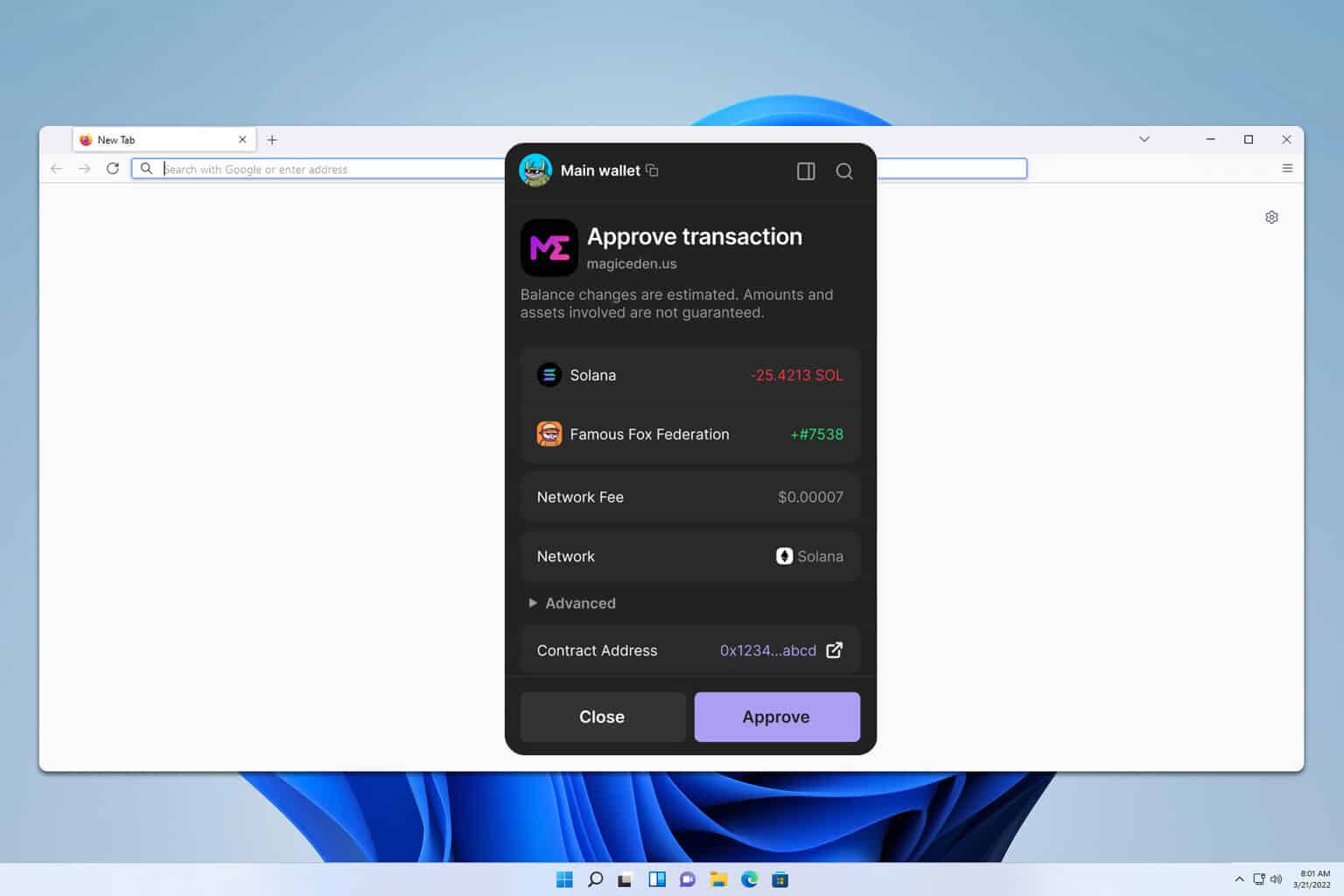
Practical tips and pitfalls
Try small transfers first to validate your setup, and consider hardware keys for any sizeable stash. Whoa, seriously—test it. Keep your recovery phrase offline and consider a password manager as a secondary control (not a substitute). When a DApp asks for wide permissions, pause and review; some approvals are very broad. If you’re looking for the installer, use the official link above to avoid imitators and phishing traps.
I’ll be honest: Phantom isn’t perfect. Hmm… there are UI quirks and occasional permission oddness. Sometimes the extension loses a network setting after a browser update, which is irritating when you’re mid‑mint. But overall, it’s robust and developer friendly. The wallet feels like a product that earned its place through real iteration and user feedback.
FAQ
Is Phantom safe for everyday use?
Yes for small, everyday interactions—it’s designed for convenience and speed—but treat it like a hot wallet and move large holdings to cold storage or hardware wallets for long‑term safety.
Can I use Phantom across devices?
You can restore your wallet via seed phrase on another device, and the mobile app syncs usefully, though full parity between mobile and desktop workflows isn’t perfect yet (expect minor differences).